Create safe, sustainable, and compliant industrial workplaces

Safety, Health & Environment
-
-
Identify, assess, and mitigate operational hazards
-
Promote a strong safety culture to protect people and assets
-
Conduct risk assessments, safety audits, and incident investigations
-
Ensure regulatory compliance with national and international standards
-
Provide training and implementation strategies for: Occupational health, Industrial safety, Environmental management, Emergency preparedness
-
Reduce workplace incidents and environmental impact
-
Support sustainable, efficient operation
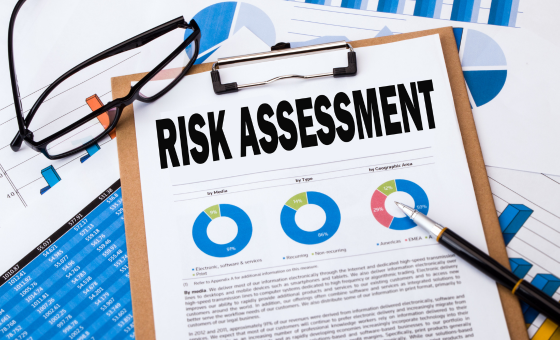
Risk Assessments of Processes
-
Identify, evaluate, and mitigate operational and safety hazards
-
Use proven methodologies: HAZOP, FMEA, and LOPA
-
Analyze workflows, equipment, and materials for potential risks
-
Provide actionable recommendations to reduce hazards and ensure compliance
-
Enhance environmental and occupational safety standards
-
Integrate risk assessments into process design and daily operations
-
Prevent incidents, improve reliability, and optimize performance
-
Promote a strong safety culture and sustainable industrial practices
Jobs Safety Analysis
-
Identify and mitigate hazards in specific tasks and operations
-
Break down jobs into steps and assess potential risks
-
Implement control measures for safe execution
-
Develop detailed JSA documentation and training programs
-
Integrate safety findings into standard operating procedures
-
Promote hazard awareness and safe work practices
-
Enhance compliance with safety regulations
-
Reduce workplace accidents and support a strong safety culture

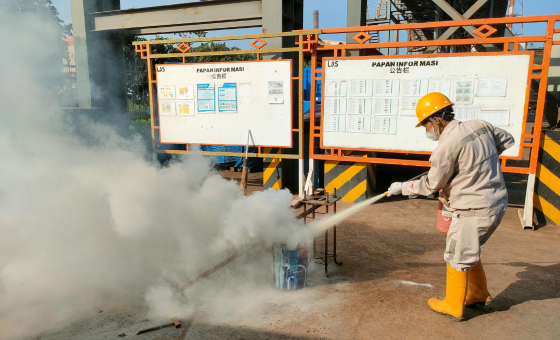
Safety Trainings
-
Equip teams with essential safety knowledge and skills
-
Offer tailored programs for industrial environments
-
Cover key topics: Hazard identification, Emergency response, PPE usage, Process safety, Regulatory compliance
-
Include interactive workshops and hands-on exercises
-
Promote safety awareness and operational discipline
-
Foster a proactive safety culture
-
Reduce workplace incidents and improve efficiency
-
Support long-term safety performance and employee well-being
Emergency Preparedness Plan
-
Prepare proactively for potential emergencies
-
Assess risks and identify critical scenarios
-
Develop tailored response strategies for each facility
-
Include evacuation procedures and emergency roles
-
Define communication protocols and resource allocation
-
Provide training, drills, and simulations for staff readiness
-
Ensure effective incident response and regulatory compliance
-
Protect personnel, assets, and operational continuity
-
Strengthen resilience and maintain safety and stability


PPEs Matrix Based on Activity
-
Ensure correct PPE usage for every task
-
Analyze work activities and identify potential hazards
-
Develop a matrix linking PPE to specific operations
-
Comply with safety regulations and minimize risk exposure
-
Enhance workforce protection and safety culture
-
Provide guidance, training, and usage monitoring
-
Reduce workplace accidents and improve operational efficiency
-
Safeguard employee health and well-being
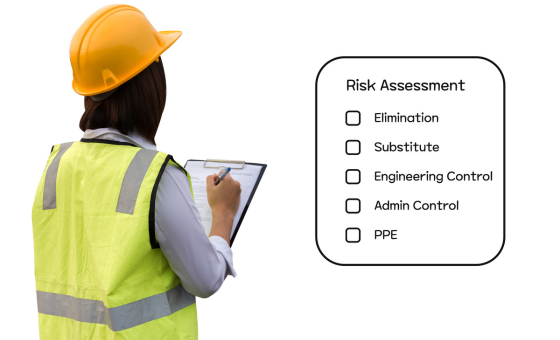
Hazards Identification and Risk Assessments
-
Proactively identify safety, health, and environmental hazards
-
Evaluate risks across processes, equipment, and work environments
-
Provide actionable recommendations and mitigation strategies
-
Minimize incidents and ensure regulatory compliance
-
Enhance operational reliability and workplace safety
-
Foster a strong safety culture across the organization
-
Support efficient, safe, and sustainable operations

Environment protection programs
-
Minimize environmental impact and promote sustainable operations
-
Assess emissions, waste generation, and resource usage
-
Develop strategies to reduce pollution and conserve energy
-
Ensure compliance with environmental regulations
-
Implement waste reduction and responsible resource management initiatives
-
Adopt best practices for sustainability across operations
-
Foster environmental awareness and proactive management culture
-
Protect ecosystems and reduce operational risks
-
Support corporate social responsibility and operational efficiency
Technical Management of Change
-
Systematically manage changes in processes, equipment, or systems
-
Assess proposed modifications and evaluate associated risks
-
Implement structured procedures to control potential impacts
-
Ensure safety, compliance, and operational efficiency
-
Provide thorough documentation, review, and approval workflows
-
Align with industry standards and regulatory requirements
-
Minimize incidents and maintain process reliability
-
Enable seamless transitions and support continuous improvement